Features
Artist Spotlight: Chihei Hatakeyama
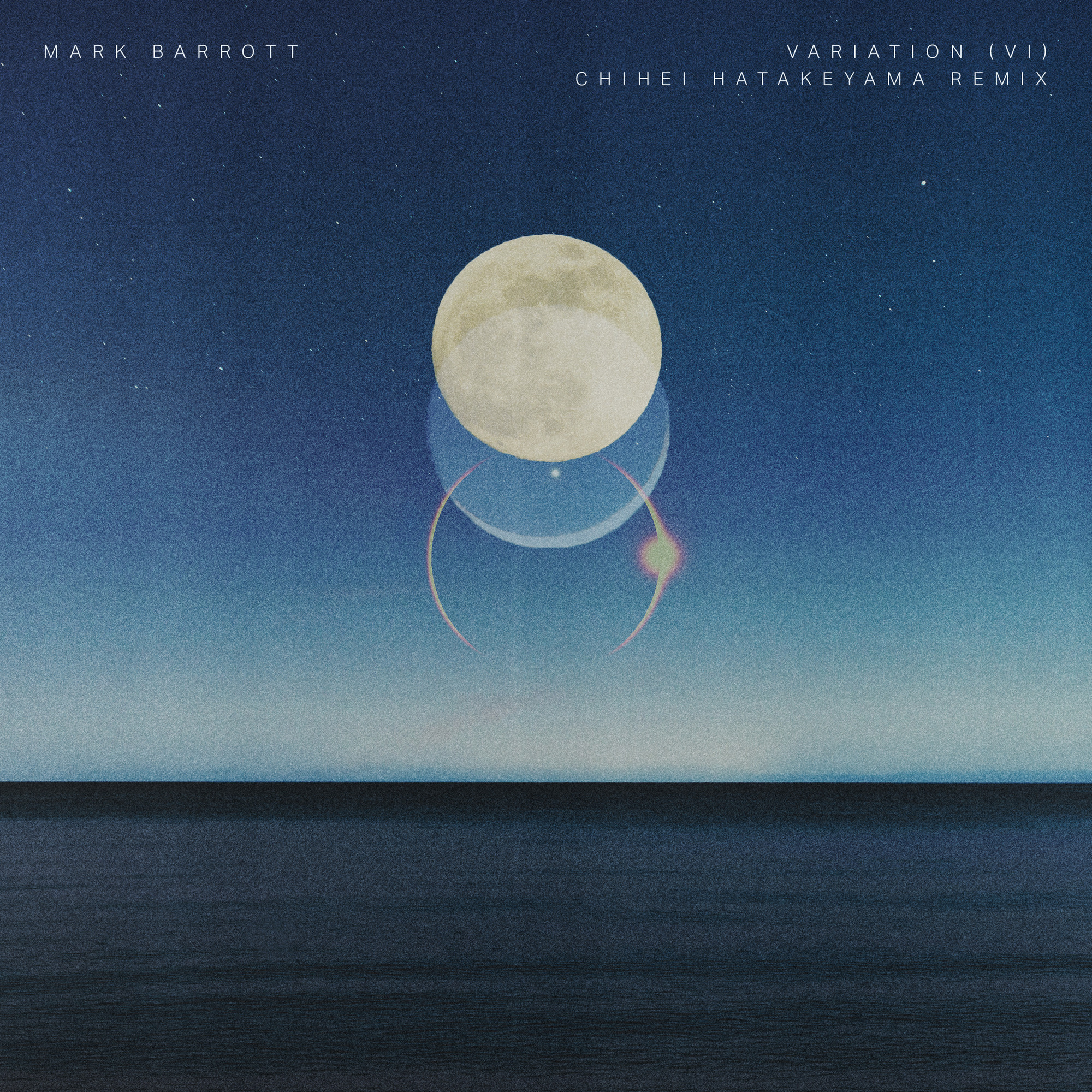
Japanese ambient producer Chihei Hatakeyama returns to Anjunachill with a fabulously atmospheric version of Mark Barrott’s ‘variation (vi)’. While he may put out music at an impressive pace - he’s released over 70 albums in the past two decades - Chihei’s soundscapes are slow, sparse and calming.
We reached out to Chihei to talk about listening culture, and his musical loves...
What made you choose ambient music instead of expressing yourself through another style?
I didn’t actively choose ambient music. After dropping out of university and quitting the band I was in at the time, I was left with nothing. I spent some time working day-labor jobs. Then one day, a friend brought a PowerBook G3 over to my place. We jammed a little bit, and it made the samplers and sequencers I had been using feel incredibly obsolete. The PowerBook G4 had just been released around that exact time, so I immediately bought one on a three-year loan, along with an audio interface and software.
My goal back then was to make IDM with beats, heavily inspired by artists like Autechre and Boards of Canada. I made that kind of music for a while, but one day I tried making a track without any beats. I realised it felt so much better – free from the constraints of rigid measures and bars. I think Fennesz might have been a big influence on me at that point. I picked up the guitar again and started using a method where I processed its sound through the laptop. So, in the beginning, I wasn't even conscious of ambient music. Before I knew it, people had just categorized me that way.
Many people use ambient music to relax or focus. Do you compose music with a listener's experience in mind, or do you compose purely for personal expression?
That’s a tough question. To be honest, I don't really think about providing a 'relaxing experience' for the listeners. Instead, I spend a lot of time ensuring consistency across the album's story, the artwork, and the titles. When I'm at home or in the studio, I can't actually relax while listening to ambient music because I end up analysing it. But listening to it in a café or a club is great because it lets me step away from production mode. Lately, I've really been enjoying playing unannounced ambient DJ sets at a friend's shop.
Japanese producers make some of the most-respected ambient music in the world. What do you think it is about Japan (the culture? the environment?) that encourages this?
I’d like to say it was the influence of Zen or Buddhism, but the truth is, living in modern Japan, you barely have any contact with that kind of thing. The strange thing is that the Japanese ambient music being highly praised in the West today was actually created back in the 1980s during the economic boom. Corporations and cultural facilities had surplus money and funded these projects as cultural initiatives. However, back in the 80s, information was far more limited than it is now. I think people were making environmental music based halfway on imagination and misunderstanding. But that’s exactly where its unique originality was born.
The influence of star musicians like Haruomi Hosono making ambient music was also huge. I remember reading an interview where he said he immersed himself in ambient music as a way to escape the madness of YMO.
Anjunachill Note: YMO, also known as Yellow Magic Orchestra, were a three-part techno-pop group who made a splash in the late 1970s. The three members, pictured above, were Haruomi Hosono (right), legendary composer Ryuichi Sakamoto (middle) and accomplished drummer and vocalist Yukihiro Takahashi (left). Learn more about them via Mixmag Asia.
This is now your second remix for Mark Barrott. What is it that you particularly like about his music?
His music is quiet and calming. It feels like everything that needs to be done has been organised and made completely clear. And yet, if this is the right word to use, it's incredibly romantic.
How did you approach remixing Mark Barrott’s ‘Variation (vi)’?
I decided everything purely on intuition. The ideas came to me instantly, so the workflow was incredibly smooth. I regularly use a sampler inside a software called Reaktor. My style involves processing the sound with that software, routing it back out into the analog world to run it through guitar effects pedals, and then bringing it back in.
How do you stay creatively inspired?
Surprisingly, I also draw inspiration from visual arts, like painting and photography, as well as novels and history books. Books about space, ideology, and philosophy influence me quite a bit too. Even football can be a source of inspiration.
For instance, during a past World Cup, England played Mexico and Brazil played Norway on the exact same day. Those two matches were incredibly emotional. Especially seeing Brazil lose to Norway – it would have been one thing if they had gone down beautifully while attacking, but they chose a defensive tactic and lost anyway. I felt a profound shifting of eras, a collapse of identity. My emotions were so heightened that day that I feel like I managed to record enough material for an entire album all at once.
Of course, days like that are extremely rare. But ultimately, traveling is the best. Traveling for a live tour is great, but right now, I really enjoy taking trips purely for field recording.
What’s next for you, what are you doing for the rest of the year?
I have a lot of recorded, unedited, and unmixed material piling up, and I really want to shape them into a proper album. But the thing is, I just keep recording new material. Ideally, I’d like to balance my workflow and split it fifty-fifty between recording and editing.
Check out Chihei Hatakeyama’s new remix of ‘Variation (vi)’ now, and don’t forget to revisit his previous Mark Barrott rework - an equally good listen.